Fire Safety for Aged Care Facilities in Australia
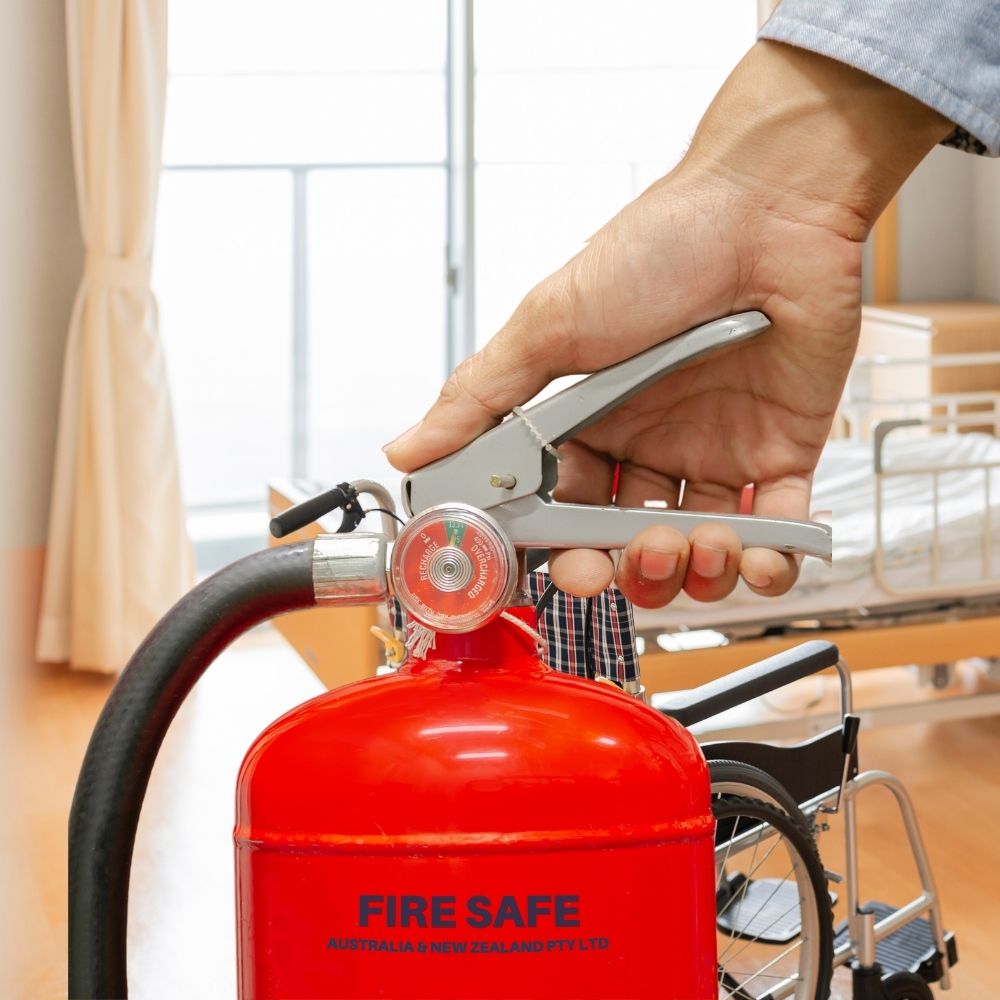
Aged care facilities carry some of the most stringent fire safety obligations of any building type in Australia, and for good reason. Residents may have limited mobility, cognitive impairment, or comp...
How to Prepare for Your AFSS Renewal: A Checklist
Your Annual Fire Safety Statement is due every 12 months, and council does not send reminders. If you miss your anniversary date, you are in breach of the Environmental Planning and Assessment Act 197...
Fire Safety for Restaurants and Cafes in Australia
Commercial kitchens are the highest fire-risk environment in most buildings. Grease-laden ductwork, open flames, high-temperature cooking equipment, and long operating hours create conditions that can...
What Is AS 1851? A Guide for Building Owners
If you own or manage a commercial building in Australia, you have almost certainly come across the term AS 1851. It appears in maintenance contracts, fire safety audit reports, AFSS lodgement document...
Evacuation Diagrams: Does Your Building Need One?
In a fire emergency, occupants have only seconds to decide where to go. An accurate, clearly placed evacuation diagram can make the difference between an orderly evacuation and confusion that costs li...
FIP Testing: What Building Owners Need to Know
Your Fire Indicator Panel is the brain of your building’s fire detection system. Every smoke detector, heat detector, sprinkler flow switch, and alarm device in the building reports back to it. ...
How to Lodge an AFSS in NSW: Step-by-Step Guide
How to Lodge an Annual Fire Safety Statement in NSW: Step-by-Step If your building has a fire safety schedule, you are required to lodge an Annual Fire Safety Statement (AFSS) with your local council ...